.png)


🤨 Desert Plants and Underwater Plants Have the Same Survival Secrets
- Nib
- Dec 16, 2025
- 3 min read
Updated: Dec 31, 2025
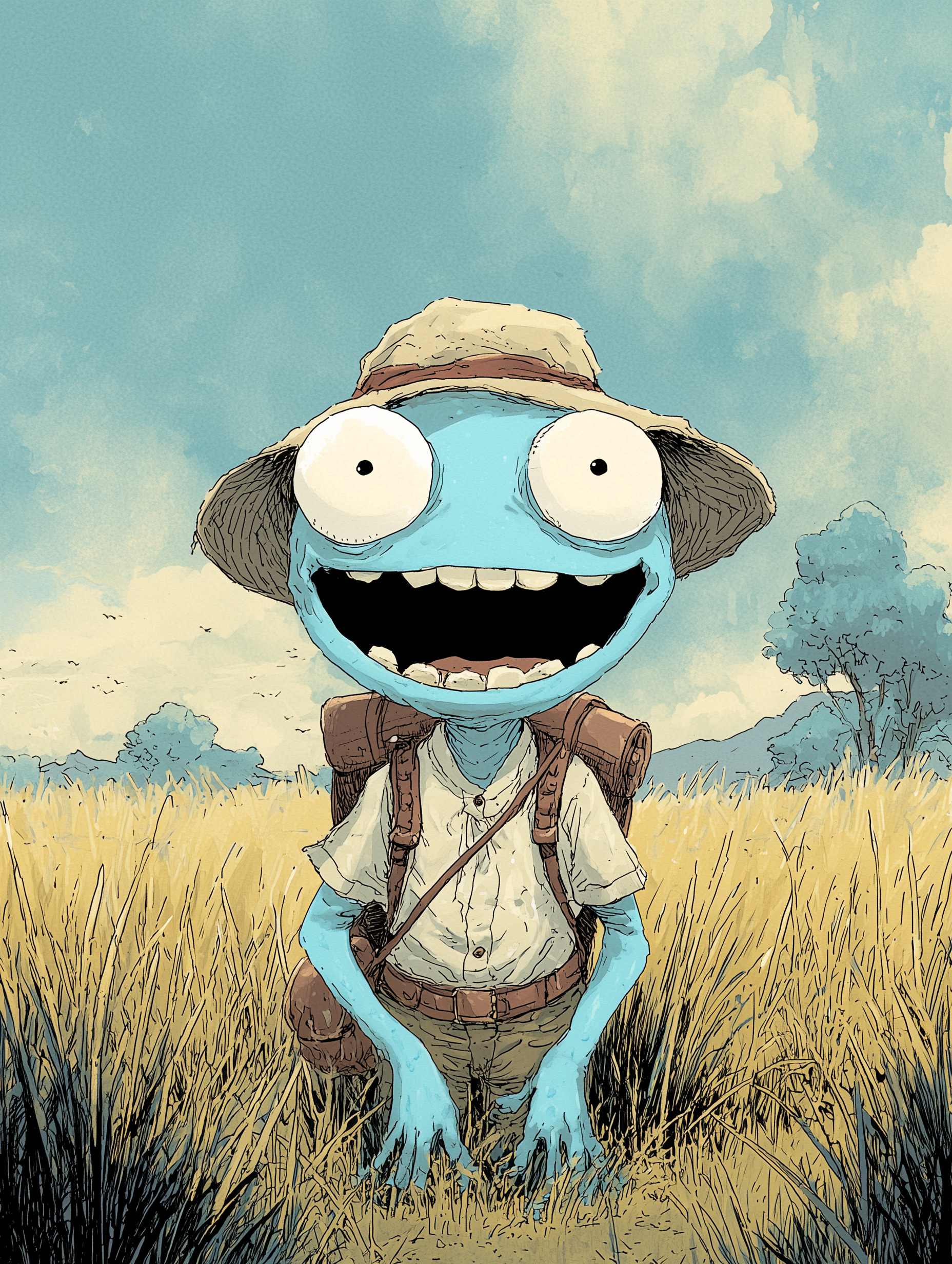
I arrived on Earth believing deserts and oceans were complete opposites.
One is dry.
One is wet.
One burns.
One squishes.
Naturally, I assumed the plants would be totally different.
They are not!
In fact…they appear to be using the same survival tricks to solve opposite problems.
This planet is very sneaky🧐
Problem #1: “There Is Not Enough of the Thing I Need”

From a distance, deserts and oceans look opposite.
But when you look closer, they have something very important in common:
They don’t get what they need easily. Actually, it's very, very hard to get what they need.
🌵 In the Desert
Water does not politely fall from the sky on a schedule.
Rain is rare, unpredictable, and disappears fast.
So desert plants cannot depend on “regular watering.”
They must:
store water when they get it
lose as little as possible afterward
That’s why cacti and succulents are thick, swollen, and juicy inside.
They are not shaped for beauty.
They are shaped for survival.
🌊 In the Ocean
Water is everywhere — but sunlight is not.
Light fades quickly the deeper you go, and without light, plants cannot make food.
So ocean plants must:
grow upward
spread wide
reach toward the surface
For example, kelp forests stretch tall like underwater trees, racing toward the sun.
🌱 Same Solution
Different shortages.Same response:
Collect what matters. Keep it close. Reach for it aggressively.
Nature does not care what is missing.
It only cares about solving the problem.
Problem #2: “The Environment Is Trying to Destroy Me!”

Living in extreme environments means constant danger.
Not dramatic danger — serious, daily danger.
🌵 Desert Threats
Blazing heat
Strong winds
Animals that think cactus looks delicious (they are very wrong)
Desert plants cannot run away.
So instead, they send a message:
“You will regret this!”
Spines:
protect water stored inside
reduce airflow and heat
discourage animals from taking a bite
Cactus spines are not decorations.
They are warnings.
🌊 Ocean Threats: Being snapped in half
Waves
Currents
Storms
So instead of becoming stiff, they become:
flexible
stretchy
able to bend without breaking
For example, kelp does not fight the water.
It moves with it.
🌱 Same Solution:
Survive the force around you by choosing the right defense:
Be sharp when eaten
Be bendy when pushed
Different tools, same goal: don’t die today.
Problem #3: “Do Not Lose What You Have”

Once a plant gets what it needs, the next problem appears:
How do I keep it?
🌵 Desert Plants
Water loss is the biggest enemy.
So, desert plants:
coat leaves in wax
shrink leaf size
sometimes remove leaves entirely
This slows evaporation and seals moisture inside.
To humans, these plants look strange and thick.
To the desert, they look prepared.
🌊 Ocean Plants
Ocean plants don’t worry about drying out — they worry about damage.
So ocean plants develop slimy surfaces:
reduce friction from water
protect against tearing
discourage bacteria and parasites
Yes, they are slimy on purpose.
Yes, this is extremely effective.
🌱 Same Solution
If resources escape faster than they gain them, they lose.
Nature is very strict about this.
The Big Plot Twist 🌍✨
Here is the surprising part:
Desert plants and ocean plants are not copying each other. They are copying the solutions to problems. When life faces the same challenge in different places, it often invents the same solutions.
Professional humans call this convergent evolution.
I call it nature reusing good ideas because they work. Efficient. Logical. Respectable.
Alien Final Thought 👽
If plants can survive:
without water
without sunlight
in burning heat
under crushing waves
Then maybe Earth life is not fragile. Maybe it is extremely clever.
I will continue observing.
🧩 Activity Zone:
🎁 Freebies
🧭 Explorer Stuff

Observation Notebook:
A place to notice, sketch, and think

Comments